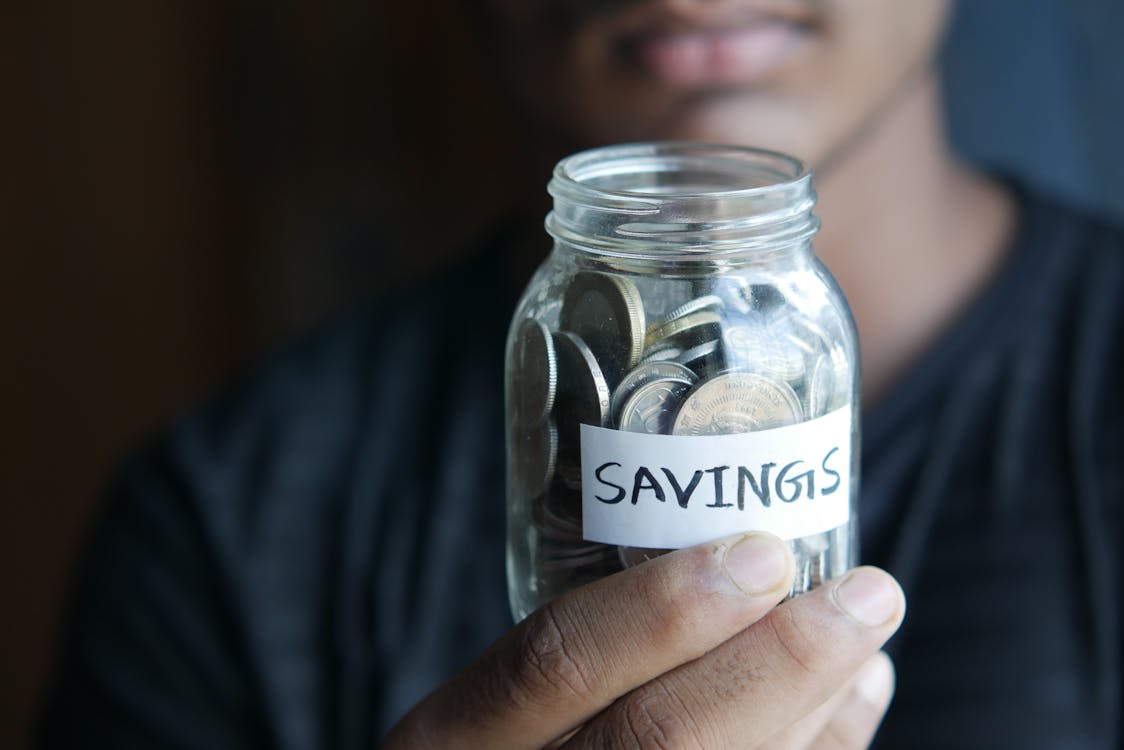
“Save 3–6 months of expenses” sounds impossible when money is already tight. But an emergency fund isn’t built in one leap — it’s built in small automatic steps. Here’s how to start, even on a small salary.
Step 1: Start Embarrassingly Small
Forget the big target for now. Your first goal is $100 (or your local equivalent). That’s it. Sell something unused, skip takeout for two weeks, do one freelance gig — get the first $100 saved. A small fund you actually have beats a big fund you never start.
Step 2: Open a Separate Account
Keep the fund in a separate savings account, not your everyday account. Money you see gets spent; money that’s slightly out of sight gets saved. No debit card attached to it if you can avoid it.
Step 3: Automate a Tiny Amount
Set up an automatic transfer on payday — even $20 or $50. Automation matters more than the amount because it removes willpower from the equation. Increase it by a small amount every few months; you’ll barely feel each increase.
Step 4: Feed It With Windfalls
Tax refunds, bonuses, cash gifts, money from selling old stuff — route at least half of every unexpected inflow straight to the fund. Windfalls are the fastest way small salaries build savings.
Step 5: Define “Emergency” Strictly
An emergency fund dies from non-emergencies. Write down your rule: job loss, medical bills, urgent car/home repairs — yes. Sales, vacations, new phones — no. When the rule is written, it’s easier to follow.
Step 6: Grow in Stages
- Stage 1: $500 — covers most minor emergencies.
- Stage 2: One month of essential expenses.
- Stage 3: Three months of essential expenses.
Celebrate each stage. Most people never reach Stage 1, so every stage is a real achievement.
What Counts as Essential Expenses?
Rent, food, transport, utilities, minimum debt payments, insurance. Not subscriptions, dining out, or shopping. Calculate this number once — it’s also the number that defines every savings goal you’ll ever set.
The Bottom Line
An emergency fund on a small salary is built with $20 automatic transfers and strict rules, not with a high income. Start with $100 this month — future you will be grateful.