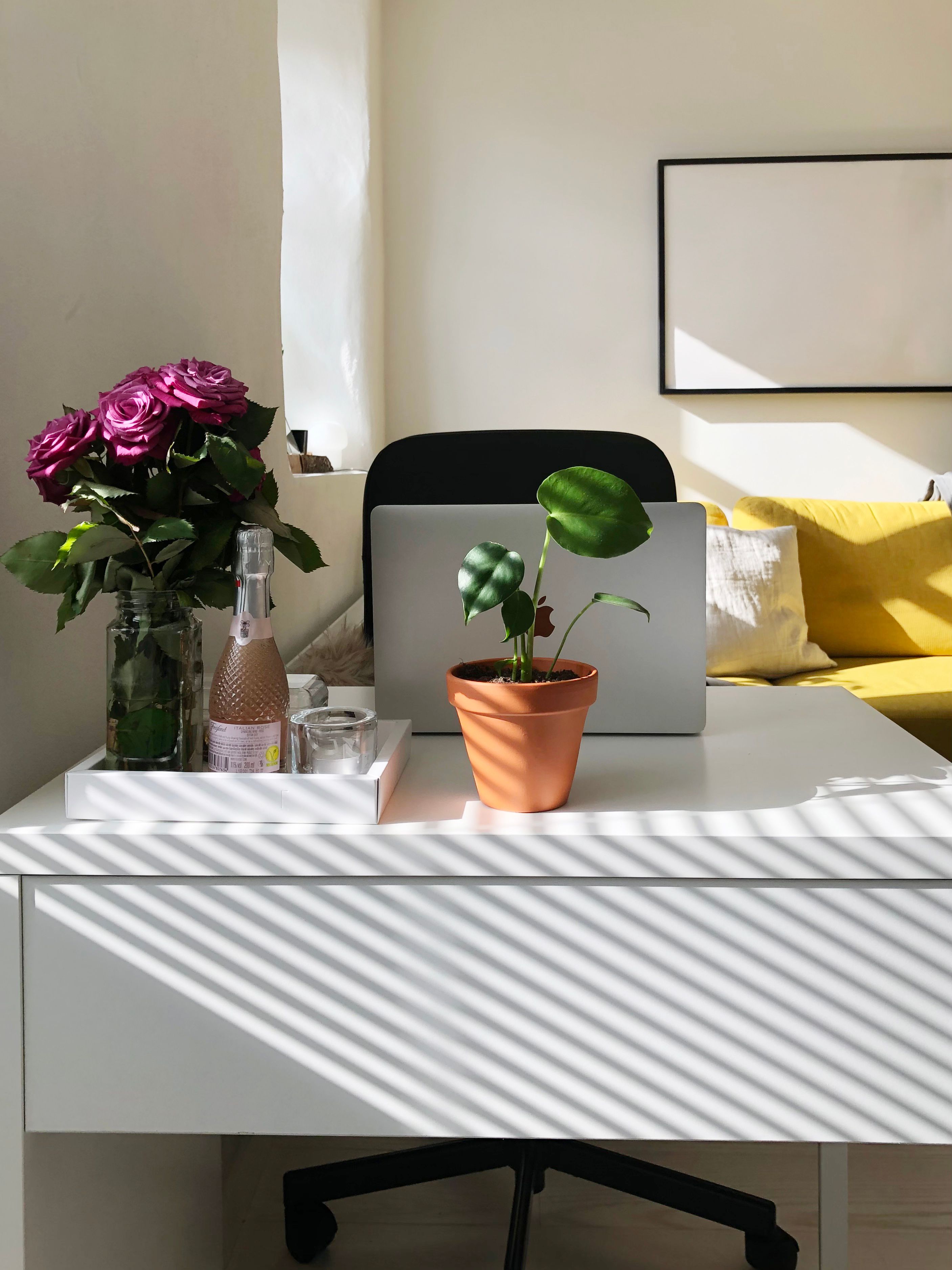
Working from home sounds like freedom until the couch, the fridge, and the laundry start winning. Productivity at home isn’t about discipline — it’s about design.
1. Create a Dedicated Workspace
Even a corner desk works — but it must be only for work. Your brain links places to behaviors; working from the couch trains your brain that the couch is for work (and work is for the couch). When the workday ends, leave the workspace.
2. Keep a Real Morning Routine
Shower, get dressed, eat breakfast — as if commuting. People who stay in pajamas report lower focus and blurred work-life boundaries. The routine signals “work mode” to your brain.
3. Time-Block Your Day
Don’t work from a to-do list alone — assign tasks to specific hours. “9–11: project report. 11–12: emails.” Time-blocking forces prioritization and makes it obvious when the day is overbooked. Include breaks as blocks, not afterthoughts.
4. Use the Pomodoro Technique
Work 25 minutes, break 5 minutes, repeat. After four cycles, take a longer 20–30 minute break. It’s simple, but the timer creates urgency and the breaks prevent the slow afternoon fade.
5. Control Your Environment
- Noise: if home is loud, noise-canceling headphones or brown noise transform focus.
- Phone: put it in another room during deep work. “Just checking” costs 20+ minutes of refocus time each instance.
- Light: work near natural light if possible — it improves alertness and mood measurably.
6. Set Boundaries With Housemates
A closed door (or headphones on) means “do not disturb.” Agree on the signal with family or roommates upfront — resentment builds fast without explicit rules.
7. End the Day With a Shutdown Ritual
Review what you finished, write tomorrow’s top 3 tasks, close the laptop, and physically leave the workspace. Without a commute, you need an artificial boundary — otherwise work bleeds into every evening.
8. Move During the Day
No commute means no built-in movement. Take a short walk at lunch, stretch between blocks, or do 10 minutes of exercise. Physical movement is one of the strongest focus boosters there is.
The Bottom Line
Home productivity is designed, not willed: a dedicated space, a real routine, time-blocked days, and hard boundaries around both work hours and distractions. Set up the system once, and focus follows.